


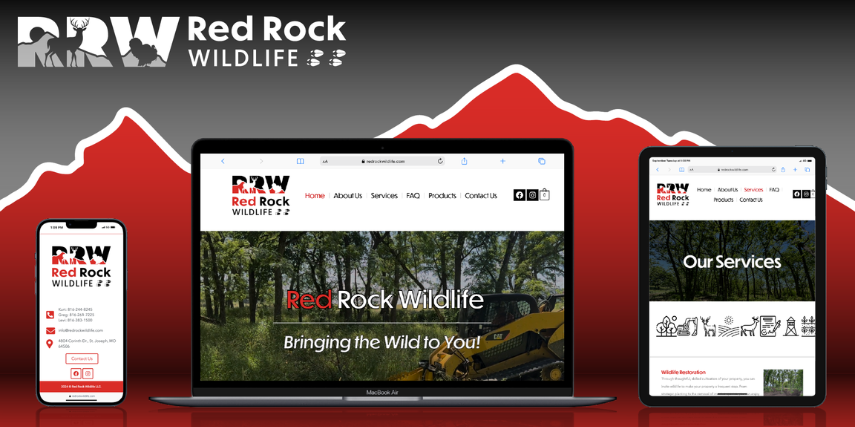
In today’s highly competitive landscape, it’s critical not to lose valuable opportunities with potential customers due to shortcomings in your website design. As standards and user expectations continue to evolve, maintaining a modern, well-optimized website becomes increasingly challenging.
Is your website starting to feel outdated? Does it load slowly or present a clunky, difficult-to-navigate experience? These are key indicators that it may be time to consider an update.
Signs of an Outdated Design
Many organizations launched new websites several years ago to reflect the growing shift toward online engagement and digital commerce. While those sites may still function adequately, they may begin to feel outdated as design standards continue to evolve.
Current best practices emphasize clean, well-structured layouts with minimal clutter. Elements that were once considered industry standards may now detract from credibility, while overly complex navigation can negatively impact usability. Streamlined visuals and intuitive navigation are essential to delivering a modern, effective user experience.
There is also a growing preference for clear calls to action, cohesive visual design, and consistency across components. Contemporary approaches to typography prioritize readability over stylistic choices, while placing greater emphasis on responsive behavior, including zoom functionality and the effective use of spacing to enhance clarity and accessibility.
Audit the UX
An improved user experience (UX) is the key to success. Loading times have always been a big part of the UX, but consumers expect faster load times than ever and quickly become frustrated when a site doesn’t meet their expectations.
To minimize user drop-off, it is essential to ensure that visitors can quickly and easily access the information they need. Streamlined navigation and a clear information architecture help reduce the need for excessive clicks, enabling users to make informed decisions about engaging with your brand more efficiently.
Given the number of users who prefer to use their mobile devices, you must also have your mobile responsiveness locked down. Make sure your layouts aren’t distorted and that your buttons are easy to click.
Getting to the Next Step
A modern, well-executed website design will improve lead generation and conversion. It takes a lot of work just to get visitors to your site, so when you do, you want to convert them into customers.
To create more leads and conversions, ensure your calls-to-action are clear and help your visitors take the next crucial step to becoming a loyal brand advocate. Make your contact forms are easy to find and easy to fill out. Also, keep your forms simple; you don’t want to lose them by asking too many questions.
Your organization has probably evolved since you last approached your website design, so make sure your new website reflects those changes. Contact us at SJC Marketing and let’s get your site optimized and functioning at peak level.